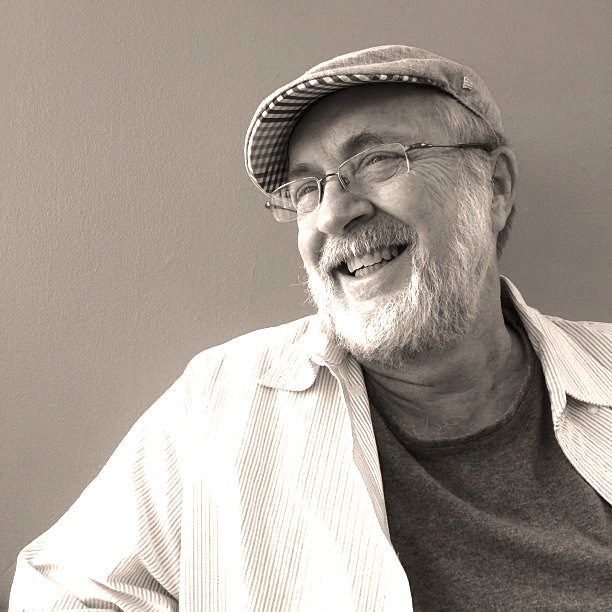
for those who have been following along
Twenty-five years is a long time to keep a journal in public.
That is essentially what this blog has been — a pilgrim’s notebook, written at the intersection of faith, place, and vocation, shared with whoever happened to find it. Some of you have been reading since the early days, when blogging was a new thing and I was still figuring out what I was doing here. Others found a single post through a search and quietly stayed. A few of you I know by name. Most of you I don’t. All of you have been more generous than you know.
I’ve been thinking lately about the word pilgrim. I’ve used it here often enough that some of you may have stopped noticing it. But I want to slow down and let it do its work for a moment, because it turns out to be the right word for what is happening now.
A pilgrim is not a tourist. A tourist travels to see something and comes home. A pilgrim travels because something has been placed in them that will not be satisfied by staying put. The destination matters, but so does the road, and so do the companions encountered along the way. A pilgrim carries what is worth carrying and leaves the rest.
I am two years from retirement. That sentence still surprises me when I write it. Forty years of teaching writing, communication, and literature at Spring Arbor University. Decades of pastoral work alongside that. A long marriage. Four children. Eleven grandchildren who call me Santa, which tells you something about how the story has unfolded.
The next season is taking shape, and I want you to know about it because you have been traveling companions, and companions deserve to know where the road is going.
First, a word about the name.
The daysman. Some of you have been reading here for years without ever knowing what it means or where it came from.
It is an old English word for an advocate — literally, one who stands with you in your day. It appears in Job 9:32-34, in the King James Version, where Job cries out for someone to stand between him and God, to lay a hand on them both. Someone to mediate. Someone to help him say what he cannot find words to say.
As a journalist, I tried to understand my sources and represent them faithfully. As a writing teacher, I tried to help students find their voice. As a pastor, I try to help people say what their souls most need to say. As a consultant, I try to help organizations find the words for what they most deeply believe.
In every case, I am the daysman. The lowercase is intentional. I am not confused about who the Daysman is in any biblical sense.
Because motives matter.
Here is what is changing, and what is not.
The blog continues. Twenty-five years of writing lives here and will stay here — a permanent record of the road traveled. Much of what I write elsewhere will end up here. But I am launching a Substack under The Daysman name, and that is where my best new writing will appear going forward. Longer essays. Pastoral pieces. The kind of writing that takes its time.
I am also thinking more intentionally about what I have to say and to whom. The books in progress — and there are several — are clarifying something. The consulting work I am building toward retirement is clarifying something. The conversations I keep having with younger men in our congregation, and with students who are trying to figure out what faithful vocation looks like, are clarifying something.
What they are clarifying, I think, is this: I have spent forty years helping other people say what they needed to say. The next season is also for saying what I need to say, while I still have the energy and the standing to say it well.
Here is a little of what is coming, if you want to follow along.
I have been thinking about the difference between a pilgrim and a sojourner. They are not the same thing, and the distinction turns out to matter more than I expected. That will be one of the summer essays on the Substack.
I have been doing nights of blessing for young men in our church before they marry for twenty-five years now — ever since I invented the practice for my own son’s wedding. I have given dozens of charges to young men standing on the threshold of marriage.
I want to unpack that practice, share some of those charges, and make the case that men gathering to speak truth into a young man’s life the night before his wedding is one of the most countercultural and necessary things a church can do. I will probably start there.
And in the fall, as the season turns and the light changes, I will be writing about Santa Claus. Not the commercial figure, but the real one — Nicholas of Myra, third-century bishop, secret gift-giver, theologian of grace. And not the “unofficial autobiography” you may have seen.
About what that story means in the life of a family. My grandchildren named me Santa before they could say grandfather, and I have been living into that name ever since. There is more to that story than most people know.
If you have been reading here and want to make sure you don’t miss what comes next, the best thing to do is subscribe to The Daysman on Substack. You can always leave.
And if you have been a quiet reader for years — someone who never commented, never shared, just read — I want you to know that your presence here has mattered. Writers write into silence most of the time, trusting that somewhere someone is receiving what they sent. You have been that for me, more than you know.
The road continues. I am glad you are on it.
— Wally


