On losing sight and learning to see
It was a Monday evening in October. Katie was getting ready for bed. I lay down, my right eye in the pillow, my left eye open. The room seemed dim, as if a curtain had fallen over the lamp. I lifted my head, and the light returned.
That’s strange, I thought. I sat up, covered my right eye, and turned toward Katie—who disappeared into a large black spot at the center of my vision. For a few weeks, my eyes had been tired. Straight lines had begun to curve. It had been a full semester, I told myself. Extra reading, extra writing. Eye fatigue.
Because of diabetes, I see an ophthalmologist regularly. Those biannual visits had always been routine. Pressure fine. Glaucoma normal. No concerns. But now there were concerns, and the next morning we called his office. They told us to come in that day.
You know the drill. The black plastic cover, the screen of letters shrinking row by row. Right eye: clear. Left eye: gone. The screen vanished into a dark shape, though I could still make out Katie sitting in the corner. Some peripheral vision, but nothing in the center. Not a blur—nothing.
The doctor came in and gave it a name: macular degeneration. Two kinds—dry and wet. Mine, wet. A tiny vessel behind my eye was leaking, creating a cloud over my optic nerve. I would need to see a retina specialist as soon as possible, which turned out to be the next morning.
On Wednesday, I canceled my classes again, and we drove back to Ypsilanti. The specialist confirmed it: AMD. And to add insult to injury, the A stands for age-related. (I’ll be writing about that.) There is no cure, though an injection every few weeks might slow the damage. The drug was expensive, and I’d have to return on Friday once the insurance was approved.
I did. Now, a couple of weeks later, the pot of orange mums on the table before me is blurred but not missing. The color is gone. In dim light, it disappears altogether. This is the journey I can describe—the medical, visible one. But another journey runs beneath it: the loss, the grief, the fear. I’ve made my way in the world by reading and writing, and this touches something at the core of who I am.
There is research underway—longer-lasting drugs, gene therapy, even regenerative treatments that might one day restore what’s lost. At seventy-two, I don’t expect to see those days, except perhaps fewer injections, or smart glasses. For now, I turn on more lights. I rest my eyes.
But teacher and writer are not my only identities. I am a husband, a father, a pastor, a friend. And a follower of Christ. There is so much to do and say that does not depend on my left eye. Milton wrote after he went blind, dictating to his daughter. There is that. And only a ten-percent chance this will spread to my other eye. If it does, voice-to-text is ready.
You will forgive me if I don’t yet find that comforting. The world has gone dim, and I live in its shadows. Yet there is a light that will not go out—“the light of the knowledge of the glory of God in the face of Christ Jesus.” (2 Corinthians 4:6)
That Wednesday night, our small group gathered to discuss that same chapter—2 Corinthians 4, from the week’s sermon. In God’s timing, it was the truth I most needed, less than twenty-four hours after the diagnosis. Paul writes: “Do not lose heart. Though our outer self is wasting away, our inner self is being renewed day by day.”
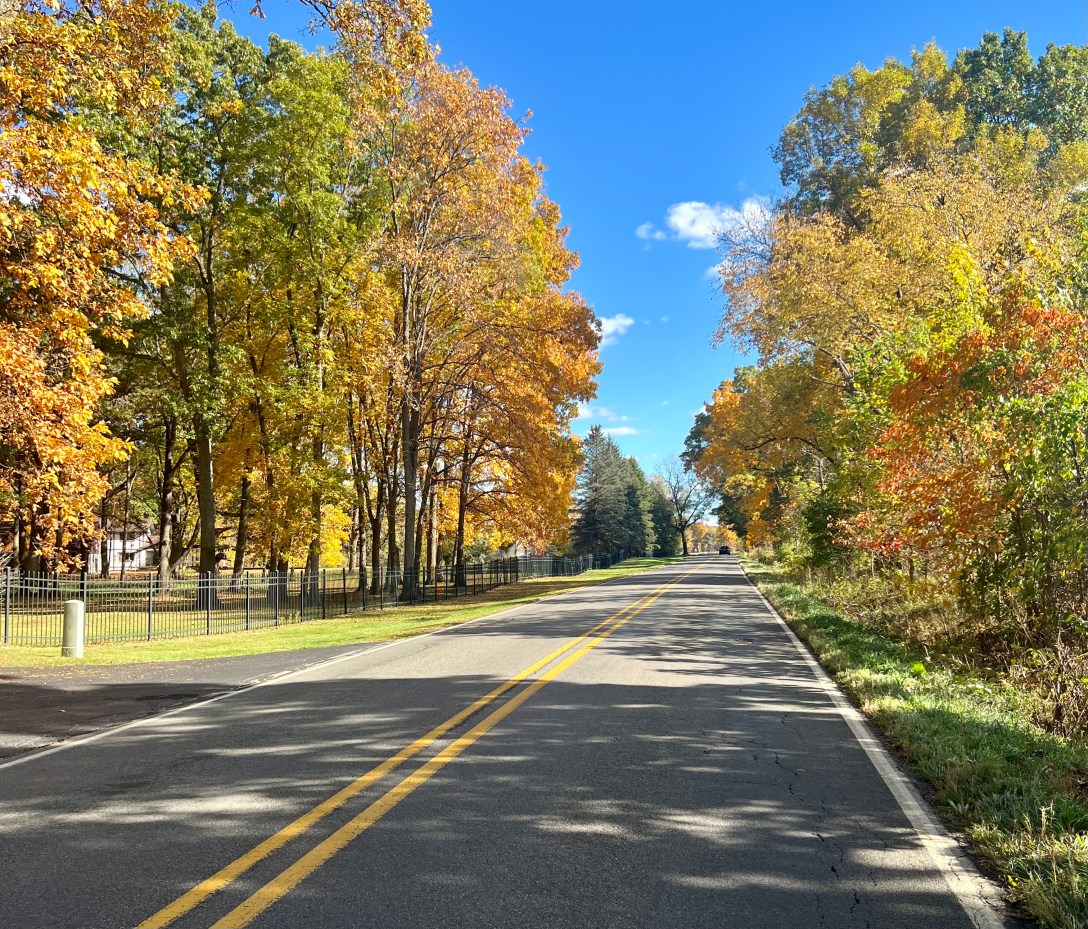
We do not look at what is seen, but at what is unseen—a clear description of this moment in my life. There are still details to savor while they remain: the swirling of autumn leaves, the shape of the mums when I open my right eye and let in the light. And there is another light—one not dependent on the retina, but on faith.
There are larger purposes and deeper truths to discover. I will need to remember this as I take the next step into the dark.

 the daysman
Oh, Pastor Wally. My heart goes out to you as you navigate this new dimension of life. When I think of tea, you and Katie come to mind and how you spend your mornings together with the Lord. And when I think of mornings, I think of the Lord’s mercy and grace.”The steadfast love of the Lord never ceases; his mercies never come to an end; they are new every morning; great is your faithfulness”, Lamentations 3:22–23. What a hope and comfort it brings that each day, the Lord fills our cup so we can lift it up. You are a testament of what it means to be a child of God, a willing servant. I pray that as you navigate this, God will use it for His glory and for your good. Give Katie a hug from me! I miss you both so much! —Ronda Hunter
Wally,
I am so sorry to hear of this trial you are going through. I am thankful that tech can provide you some help, but my heart is heavy for you. Nothing can make this an easy journey. May you grow in faith and strength as you deal with the many competing emotions that will assail you during this time. May God’s blessings and care be with you and your family and lift you up each day.
–Shirley Smith
Grateful for your conviction, commitment, and care for helping through faithfilled articles.